


Nursery Cots
Add a review FollowOverview
-
Founded Date October 6, 1966
-
Sectors Education Training
-
Posted Jobs 0
-
Viewed 16

Company Description
The Best Baby Cot Methods To Rewrite Your Life
The Ultimate Guide to Baby Cots: Choosing the Perfect Sleep Space for Your Little One
As any brand-new parent will tell you, making sure a safe and comfy sleeping environment for a baby is one of their top priorities. A baby cot is not just a furniture piece; it is a sanctuary where the child will invest a considerable amount of time sleeping and dreaming. This guide will check out numerous elements of baby cots, from types and features to safety requirements and tips for selecting the ideal one.
What is a Baby Cot?
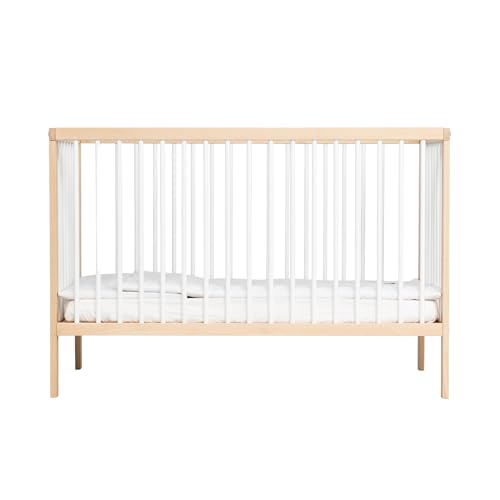
A baby cot, also understood as a crib in some areas, is a little bed developed particularly for babies and young children. These cots normally have slatted sides and are developed at a height that permits parents to easily reach in and raise their baby. They come in numerous designs, sizes, and products, accommodating a series of needs and choices.
Kinds Of Baby Cots
Table 1 offers a summary of the typical types of baby cots offered on the marketplace:
| Type of Cot | Description | Pros | Cons |
|---|---|---|---|
| Standard Cot | A set bed created for infants that generally accommodates a bed mattress. | Strong, safe, and lasting. | Can take up significant space. |
| Convertible Cot | A cot that can shift into a toddler bed, daybed, and even a full-size bed. | Grows with the child; versatile. | Typically greater expense upfront. |
| Portable Cot | Lightweight and compact, perfect for travel or little spaces. | Easy to move; hassle-free for journeys. | Less stability; might not last as long. |
| Moses Basket | A small, portable basket that provides a comfortable sleeping area for newborns. | Highly portable; comfortable for babies. | Limited use as the baby grows. |
| Cradle | A rocking cot that sways gently, frequently used for newborns. | Can soothe picky children. | Might have a much shorter lifespan. |
Key Features to Consider
When selecting a baby cot, specific features should be taken into consideration to make sure security, comfort, and convenience. Here’s a list of important features:
- Safety Standards: Ensure the cot satisfies safety requirements specified by your country’s regulatory bodies.
- Adjustable Mattress Height: Look for cots with adjustable heights to make it simpler to lift your baby in and out.
- Slatted Design: Check that the slats are spaced no more than 2.5 inches apart to avoid head entrapment.
- Tough Construction: Choose a cot made from durable materials that can endure the rigors of daily usage.
- Non-toxic Finishes: Look for surfaces free from hazardous chemicals, guaranteeing a safe sleeping environment for your baby.
- Easy to Assemble and Disassemble: If you’re planning to travel or move, easy assembly is a great feature.
- Convertible Options: Consider if you want a cot that can be changed as your child grows.
Safety Guidelines for Baby Cots
Guaranteeing that your baby cot sticks to security guidelines is non-negotiable. The following safety practices must always be followed:
- Use a Firm Mattress: Ensure the mattress fits snugly in the cot without spaces.
- No Pillows or Best rated cribs Heavy Bedding: Avoid placing pillows, blankets, or stuffed animals in the cot, as they can pose suffocation threats.
- Position Away from Hazards: Keep the cot far from windows, drapes, and dangling cords that might pose a strangulation risk.
- Frequently Inspect: Check the cot for any loose screws, slats, or other wear and tear that could jeopardize safety.
Commonly Asked Questions (FAQ)
Q1: When should I transition my baby from a cot to a toddler bed?
A1: Most children shift between 18 months and 3 years, however this differs depending on the kid’s development and private preparedness.
Q2: How do I tidy and keep my baby cot?
A2: Regularly wipe down surface areas with a wet cloth and moderate soap. Ensure that all parts are working properly and inspect for any signs of wear.
Q3: What is the perfect height for a baby cot mattress?
A3: The advised height is around 24 inches from the floor when the bed mattress remains in its greatest position. This enables easy access while keeping the baby safe.
Q4: Can I utilize a second-hand baby cot?
A4: Yes, but guarantee it meets existing security standards and is devoid of any damage or recalls. It’s essential to inspect it completely.
Q5: How long can a baby sleep in a cot?
A5: Babies usually sleep in a cot till they outgrow it, normally around 2 to 3 years old, however this can differ.
Tips for Choosing the Right Baby Cot
1. Research Before Buying
Ensure to check out various designs, read reviews, and comprehend the benefits and drawbacks of different kinds of cots.
2. Budget plan Wisely
Baby cots can be found in a variety of costs, so determine your budget plan ahead of time while thinking about the features you require.
3. Check the Cot
If possible, check out a shop to test the cot for durability and ease of usage.
4. Check for Recalls
Before settling a purchase, check to see if the model has actually had any security remembers.
5. Think about the Space
Step the area where you plan to put the cot to ensure it fits easily without overcrowding the space.
6. Try to find Warranty
Buying a cot with a service warranty can offer peace of mind concerning resilience and potential issues.
Picking the ideal baby cot is a substantial choice that impacts your baby’s safety and comfort. By considering the various types, essential functions, security guidelines, and suggestions discussed in this guide, brand-new parents can make educated options that accommodate their special needs and choices. A well-chosen cot not just guarantees a safe sleeping environment but can also offer assurance for moms and dads as they navigate the stunning, yet challenging, journey of parenthood. Pleased snoozing!
