


Foldable Wheelchair Ramps
Add a review FollowOverview
-
Founded Date September 6, 1940
-
Sectors Telecommunications
-
Posted Jobs 0
-
Viewed 2

Company Description
9 . What Your Parents Taught You About Metal Wheelchair Ramps
The Comprehensive Guide to Metal Wheelchair Ramps
In the landscape of mobility aids, wheelchair ramps stand apart as necessary tools that facilitate simpler access for those with mobility difficulties. Amongst the various types readily available, metal wheelchair ramps have gotten considerable appeal due to their resilience, strength, and versatility. This post digs into the various aspects of metal wheelchair ramps, from their advantages and style factors to consider to cost elements and upkeep practices.
What are Metal Wheelchair Ramps?
Metal wheelchair ramps are developed to assist people with impairments browse inclines, whether they are getting in structures, navigating vehicles, or traversing uneven surfaces in outdoor settings. Made from materials like aluminum or steel, these ramps offer a tough and long-term option to mobility challenges.
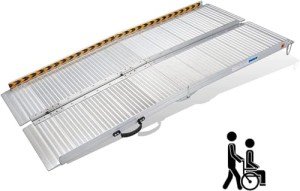
Advantages of Metal Wheelchair Ramps
Metal wheelchair ramps include a host of benefits that make them an enticing choice for both residential and commercial usage. Here are some essential advantages:
| Benefit | Description |
|---|---|
| Resilience | Metal ramps are resistant to weather and wear and tear, guaranteeing long-lasting use. |
| Weight Capacity | They generally support higher weight limitations compared to plastic or wood alternatives. |
| Security Features | Numerous featured slip-resistant surface areas and side rails for added security. |
| Customizability | Metal ramps can be made to fit specific measurements and angles. |
| Portability | Numerous metal ramps can be easily disassembled and transported for temporary applications. |
Design Considerations
When picking a metal wheelchair ramp, a number of style elements should be considered to make sure that it satisfies the user’s requirements effectively. Here are a couple of important style elements:
-
Length and Height: The length of the ramp ought to be proportional to the height it needs to cover. The Americans with Disabilities Act (ADA) suggests a ratio of 1:12 for wheelchair access. This implies for each inch of vertical increase, there need to be at least 12 inches of ramp run.
-
Width: A minimum width of 36 inches is recommended to enable enough area for maneuverability.
-
Weight Capacity: Check the ramp’s weight limit to ensure it can accommodate the user and any additional items such as mobility gadgets.
-
Surface Material: Consider ramps with a non-slip surface area to ensure security in different climate condition.
-
Repaired vs. Portable: Decide whether a permanent or portable ramp will much better serve the needs. Fixed ramps provide more stability, while portable ramps provide flexibility for various areas.
Cost Factors
The expenses associated with metal wheelchair ramps can differ based on several factors, consisting of:
| Cost Factor | Description |
|---|---|
| Product | Aluminum is typically more economical than steel however may offer various weight capacities. |
| Size | Custom-made sizes can include to the cost, while standard sizes are usually more affordable. |
| Installation | Expert setup services can increase general costs. |
| Features | Custom-made functions such as hand rails and additional precaution can increase expenses. |
Usually, the expense of metal wheelchair ramps ranges from ₤ 500 to ₤ 3,000 or more, depending upon the specs and needs.
Maintenance Tips for Metal Wheelchair Ramps
To guarantee metal wheelchair ramps stay safe and practical for years, routine maintenance is necessary. Here are some useful upkeep pointers:
- Regular Inspections: Check for any signs of wear, damage, or rust a minimum of as soon as a month.
- Cleaning: Use a moderate cleaning agent and a soft scrub brush to clean up the ramp. This will help eliminate particles and prevent the accumulation of slippery materials.
- Rust Protection: In locations with high humidity, think about applying a rust-proofing agent yearly to extend the lifespan of the ramp.
- Non-Slip Treatment: Inspect the ramp surface area for wear. Reapply non-slip treatments as needed to maintain security.
- Fasteners Check: Tighten bolts, screws, and other fasteners regularly to make sure that all parts are firmly connected.
Frequently Asked Questions about Metal Wheelchair Ramps
Q1: Are metal wheelchair ramps more resilient than other materials?A1: Yes, metal
ramps are typically more long lasting than wood or plastic options due to their resistance to environmental elements and their ability to bear heavy loads.
Q2: Can metal wheelchair ramps be customized?A2: Absolutely
! Lots of manufacturers provide personalization options, consisting of numerous lengths, widths, and extra functions like handrails.
Q3: Do I need an expert to install a metal wheelchair ramp?A3: While some portable models can be easily established by users, repaired ramps typically need expert installation to satisfy legal requirements and guarantee security. Q4: How do I measure the needed length for a ramp?A4: Measure
the vertical increase(height )that the ramp will cover,
and utilize the 1:12 ratio to compute the proper ramp length (e.g., a 24-inch increase needs a 24-foot ramp ). Q5: Are metal ramps appropriate for outside use?A5: Yes, metal ramps appropriate for outside use and can endure numerous weather conditions, making them highly versatile. Metal wheelchair ramps offer an effective option for enhancing ease of access and mobility.
Their strong, durable nature makes them a reliable option for both property and business environments. By understanding the advantages, design factors to consider, expense factors, and maintenance practices, users and caretakers can make informed decisions that satisfy their unique requirements. Whether thinking about purchasing a new ramp or maintaining an existing one, focusing on security and functionality will ensure a positive experience for those who count on them.
