


Transponder Key Replacement
Add a review FollowOverview
-
Founded Date December 30, 1953
-
Sectors Health Care
-
Posted Jobs 0
-
Viewed 3

Company Description
“Ask Me Anything,” 10 Responses To Your Questions About Car Key Replace
The Comprehensive Guide to Car Key Replacement: Options, Costs, and Procedures
Losing a car key or dealing with a broken fob is more than just a small trouble; it can interfere with a whole everyday schedule and compromise lorry security. In the past, changing a car key was as simple as visiting a local hardware shop for a fast duplicate. Nevertheless, as vehicle innovation has advanced, so too have the intricacies of the keys themselves. Modern lorries utilize advanced electronic parts created to hinder theft, that makes the replacement procedure more technical and frequently more costly.
This guide offers a comprehensive overview of the car key replacement landscape, checking out the various kinds of secrets, where to source replacements, and what elements influence the final cost.
Comprehending the Different Types of Car Keys
Before seeking a replacement, it is important to determine the specific innovation used by the automobile. The type of key figures out both the intricacy of the replacement and the tools required to create a functional copy.
1. Conventional Mechanical Keys
These are standard metal keys normally found on older lorry designs. They do not include any electronic parts or chips. A locksmith or hardware shop can quickly cut these using a basic key-cutting maker.
2. Transponder Keys
Presented in the mid-1990s, transponder secrets contain a small electronic chip embedded in the plastic head of the key. When inserted into the ignition, the vehicle’s engine control system (ECU) sends a signal to the chip. If the chip shows the correct digital code, the car begins. Without the chip, the car stays paralyzed.
3. Keyless Entry Fobs
These are remote controls that enable users to lock and open doors by means of radio waves. While some fobs are different from the mechanical key, many modern-day variations integrate the 2.
4. Smart Keys and Proximity Fobs
Discovered in most contemporary cars with “push-to-start” buttons, these keys do not need to be inserted into a slot. The automobile identifies the key’s presence within a specific radius and enables the motorist to run the car while the key remains in a pocket or bag.
Table 1: Key Types and Their Characteristics
| Key Type | Innovation Used | Ease of Replacement | Security Level |
|---|---|---|---|
| Traditional | Mechanical Cut | High | Low |
| Transponder | RFID Chip | Medium | High |
| Fob/ Remote | Radio Frequency | Medium | Medium |
| Smart Key | Proximity Sensors | Low (Complex) | Very High |
Where to Get a Replacement Car Key
When a key is replace lost Car keys or damaged, car owners typically have 3 primary opportunities for getting a replacement. Each alternative has its own set of benefits and drawbacks.

1. Automotive Locksmiths
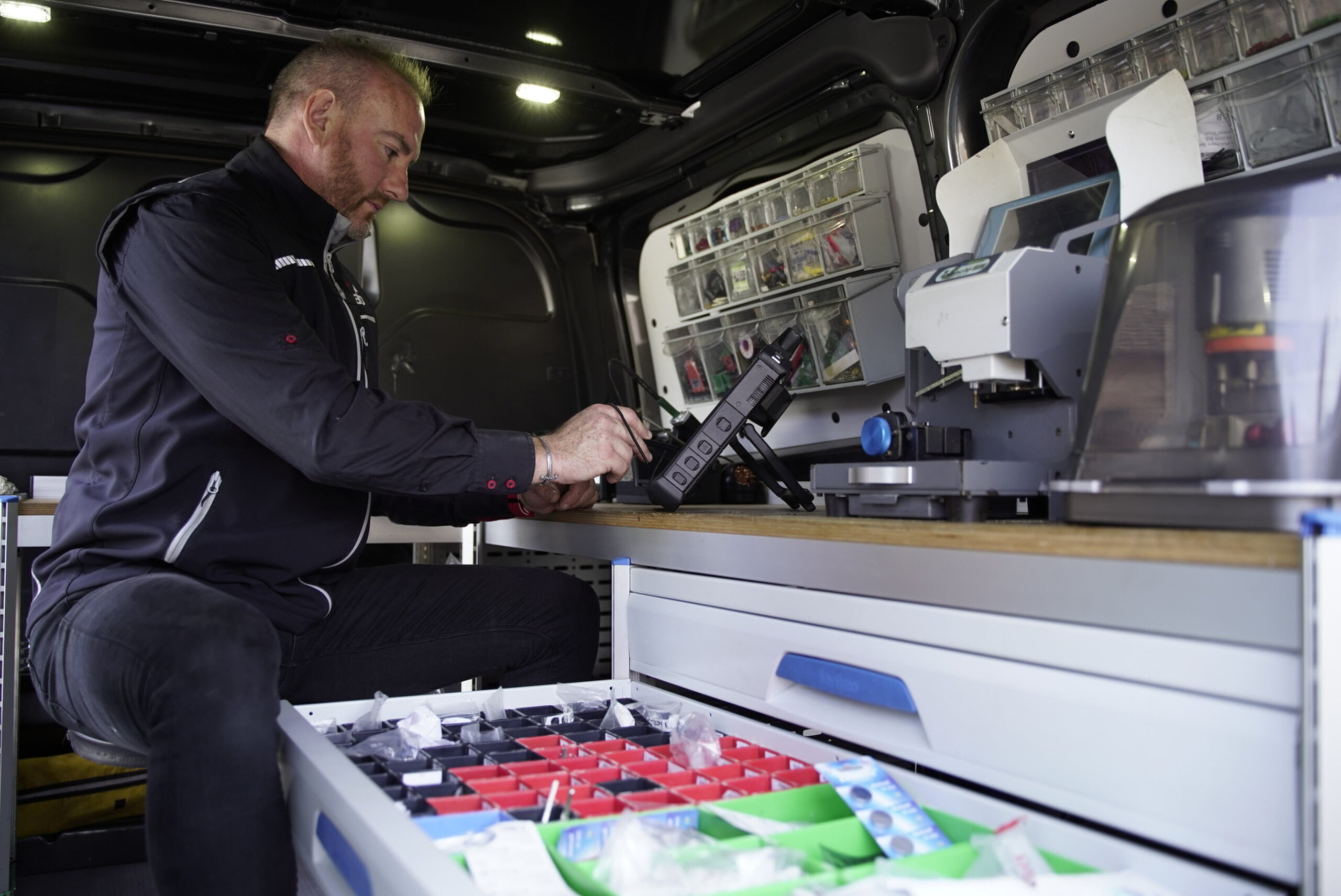
Locksmiths are typically the most practical and cost-efficient choice. Many deal mobile services, implying they can travel to the lorry’s location, which is crucial if the owner is stranded. High-end locksmiths have the specialized equipment required to cut and configure transponder and smart keys.
- Pros: Mobile service, normally more affordable than dealers, offered after hours.
- Cons: Quality can differ between suppliers; some ultra-luxury brands might require dealership-only devices.
2. The Car Dealership
The car dealership is the most main route. Since they have direct access to the maker’s database, they can supply a precise replacement based upon the car’s Vehicle Identification Number (VIN).
- Pros: Guaranteed compatibility, original manufacturer parts.
- Cons: Most costly option, may need towing the car to the website, longer wait times.
3. Online Retailers
It is possible to acquire “aftermarket” keys or blank fobs online. While this can conserve money on the hardware, the key will still require to be expertly cut and configured.
- Pros: Lowest cost for the physical key.
- Cons: High threat of purchasing the incorrect part; lots of experts refuse to configure customer-supplied parts due to reliability issues.
The Information Required for Replacement
To ensure a smooth replacement procedure, the owner should offer specific documentation to the locksmith professional or dealer. This prevents unapproved people from acquiring keys to automobiles they do not own.
Needed Information Includes:
- The VIN (Vehicle Identification Number): Found on the control panel (motorist’s side) or on the vehicle registration files.
- Evidence of Ownership: A legitimate registration, title, or expense of sale.
- Personal Identification: A government-issued ID (driver’s license).
- Year, Make, and Model: To make sure the appropriate blank is used.
Aspects Influencing the Cost of Replacement
The rate of a brand-new car key is rarely a flat fee. Several variables add to the last invoice, varying from the car’s age to the geographical area of the service.
Table 2: Estimated Replacement Costs by Vehicle Category
| Service Level | Approximated Price Range (GBP) | Timeframe |
|---|---|---|
| Standard Mechanical Key | ₤ 10– ₤ 50 | 10 – 20 Minutes |
| Transponder Key (Cut & & Program) | ₤ 120– ₤ 250 | 30 – 60 Minutes |
| Key Fob Replacement | ₤ 150– ₤ 400 | 30 – 60 Minutes |
| Smart Key/ Proximity Fob | ₤ 250– ₤ 600+ | 1 – 2 Hours |
| High-end Vehicle Specialty Key | ₤ 500– ₤ 1,000+ | Variable |
Key Cost Drivers:
- Programming Complexity: Highly encrypted systems require expensive software to access the car’s computer system.
- Emergency situation Call-Outs: After-hours or roadside help services carry a premium cost.
- Key Cutting Style: Standard “edge” cuts are inexpensive, while “laser-cut” (sidewinder) keys need more pricey equipment.
- Variety Of Keys Needed: It is typically less expensive to get two keys made simultaneously than to call a locksmith professional two times.
The Replacement Process: Step-by-Step
Understanding the technical procedure can assist owners appreciate why specific keys cost more than others.
- Confirmation: The expert verifies the owner’s identity and the automobile’s VIN.
- Stemming the Key: If the original key is lost completely, the locksmith professional utilizes the VIN to discover the “key code” from a database. This code informs the maker how to cut the mechanical blade.
- Physical Cutting: The metal blade is cut utilizing a computer-controlled device to ensure precision.
- Shows: This is the most vital step for modern-day vehicles. The specialist links a diagnostic tool to the vehicle’s OBD-II port. They “present” the new key to the car’s computer, guaranteeing the security system recognizes the new chip and deletes old, lost keys from the memory.
- Testing: The service technician tests the locks, the ignition, and all remote functions (trunk pop, panic button, and so on).
Prevention and Backup Strategies
To avoid the high expenses and stress connected with an overall loss of keys, professionals recommend numerous preventative measures:
- Maintain a Spare: The cost of replicating a working key is substantially lower than “originating” a new key when all copies are lost.
- Key Tracking Devices: Attaching a Bluetooth or GPS tracker (like an AirTag) can help locate lost secrets within seconds.
- Evaluation Insurance Policies: Some comprehensive automobile insurance coverage or roadside assistance subscriptions (like AAA) offer key replacement coverage.
- Guarantee Coverage: If the automobile is new, check if the manufacturer’s warranty or a car dealership “protection plan” covers lost keys.
Regularly Asked Questions (FAQ)
1. Can a locksmith replace a key if I don’t have the initial?
Yes. Expert automobile locksmiths can create a brand-new key utilizing the lorry’s VIN and specialized software application, even if the original is entirely missing.
2. How long does it take to replace a smart key?
While the physical arrival of a locksmith professional may take some time, the actual cutting and programming normally take between 30 minutes and an hour, depending upon the lorry’s security system.
3. Can I configure a brand-new car key myself?
For some older automobiles, there are “on-board programs” sequences (e.g., turning the ignition on and off in a specific pattern). However, most modern-day cars require specialized diagnostic devices that just experts have.
4. Why are European car secrets more costly to change?
Brand names like BMW, Mercedes-Benz, and Audi use higher levels of encryption and frequently require parts to be bought directly from the factory in Europe, which increases both time and expense.
5. Does my car insurance cover key replacement?
It depends on the policy. Some “Premium” or “Add-on” roadside assistance plans cover it, but standard liability or accident insurance coverage usually does not.
Car key replacement has actually evolved from a basic mechanical job into a sophisticated electronic service. While the increased innovation provides better car security, it likewise requires a greater level of knowledge and greater costs when things go wrong. By understanding the kind of key a car requires and keeping an extra, owners can reduce the tension and monetary impact of a lost key. Whether selecting a local locksmith for speed or a dealer for ensured OEM parts, being informed is the very first step toward getting back on the roadway.
